
Cosmetic Labels
Cosmetics Labels Must Change Before August
Two deadlines land on cosmetics labels within a month of each other this summer. From 15 July, any product releasing formaldehyde above 0.001% needs an

Two deadlines land on cosmetics labels within a month of each other this summer. From 15 July, any product releasing formaldehyde above 0.001% needs an

The UV filter 4-Methylbenzylidene Camphor, known as 4-MBC or enzacamene, is prohibited in cosmetic products placed on the Great Britain market from 15 July 2026.

UK cosmetics brands selling into the EU face a multi-language labelling obligation that has existed since the EU Cosmetics Regulation came into force, but this

From July 2026, cosmetic brands must individually declare 56 additional fragrance allergens when they exceed newly defined thresholds. At the same time, tighter rules around
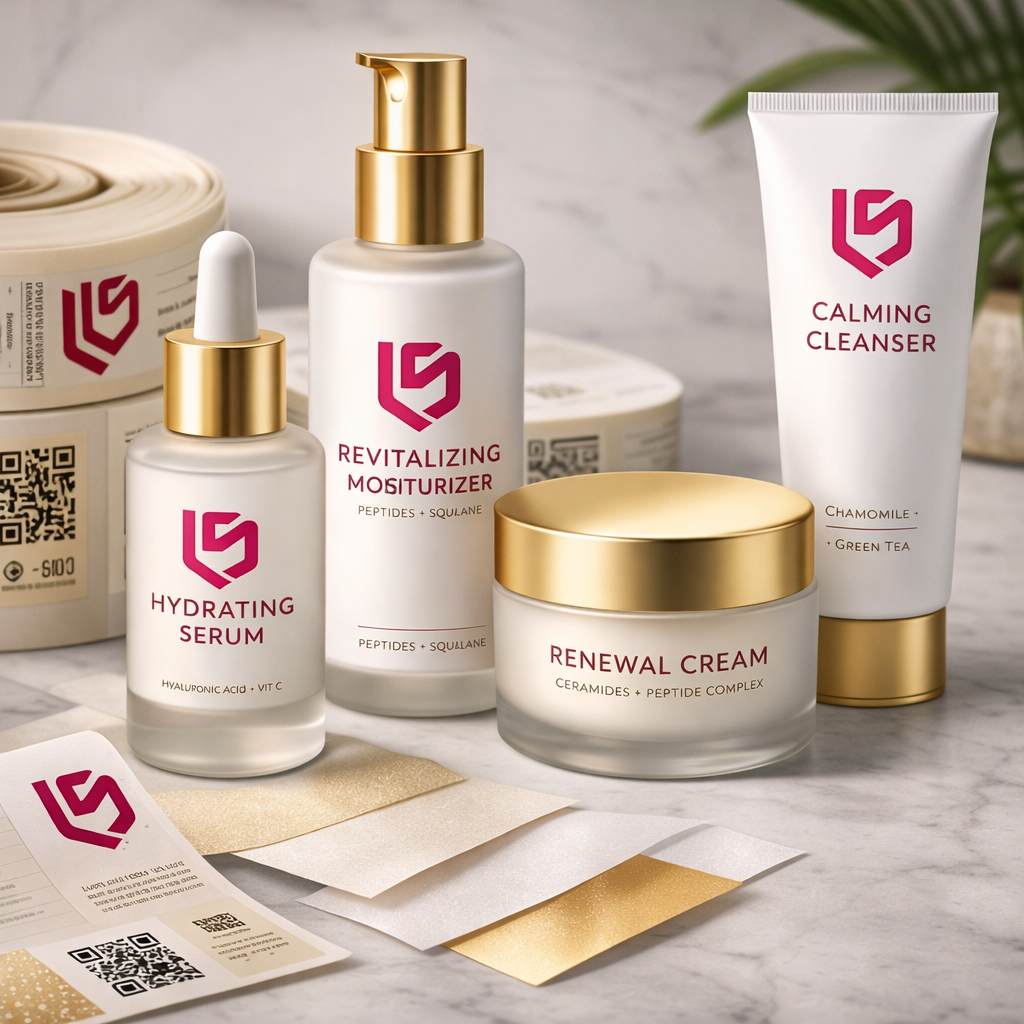
Cosmetics brands are feeling the squeeze in 2026 as resin prices continue to climb due to global supply chain disruptions and Extended Producer Responsibility modulated
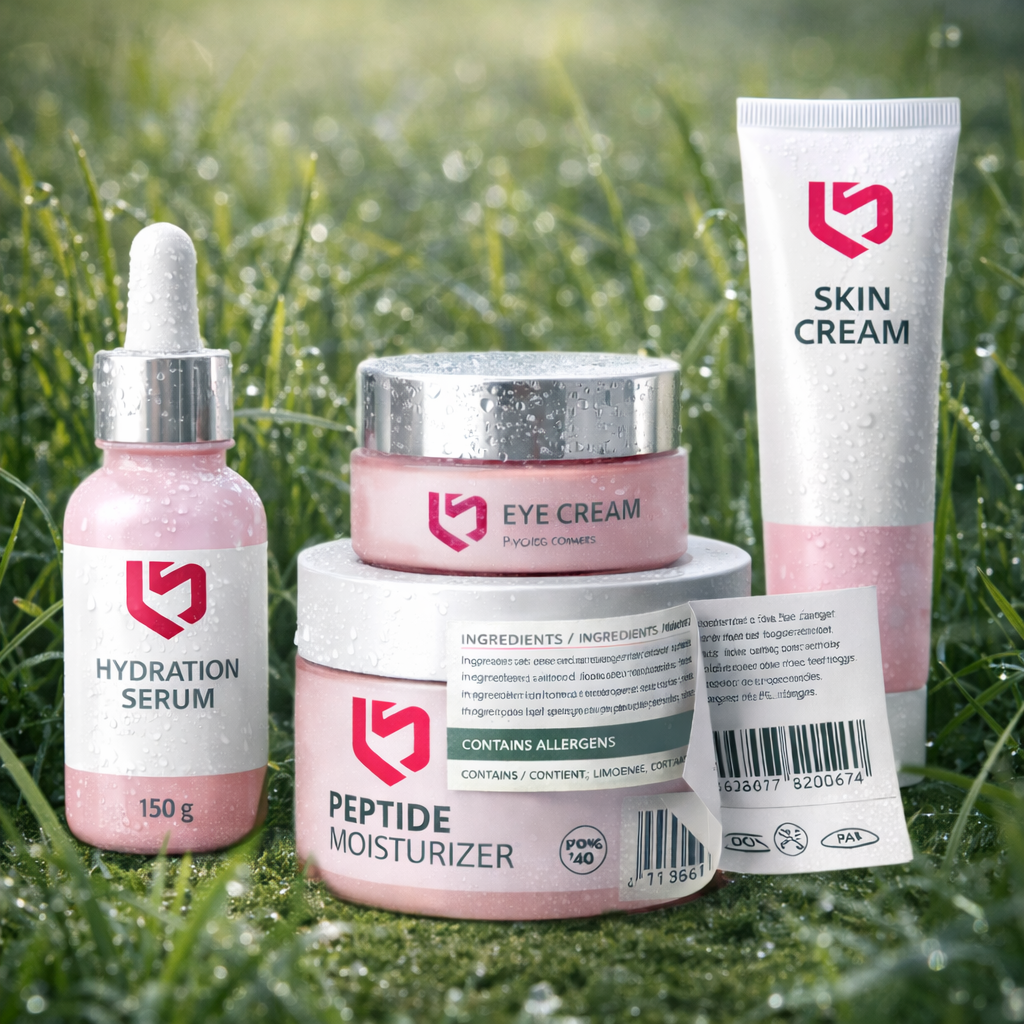
Cosmetic labelling requirements are expanding, and packaging sizes are not. As allergen transparency expectations grow and ingredient lists lengthen, many brands are finding that standard
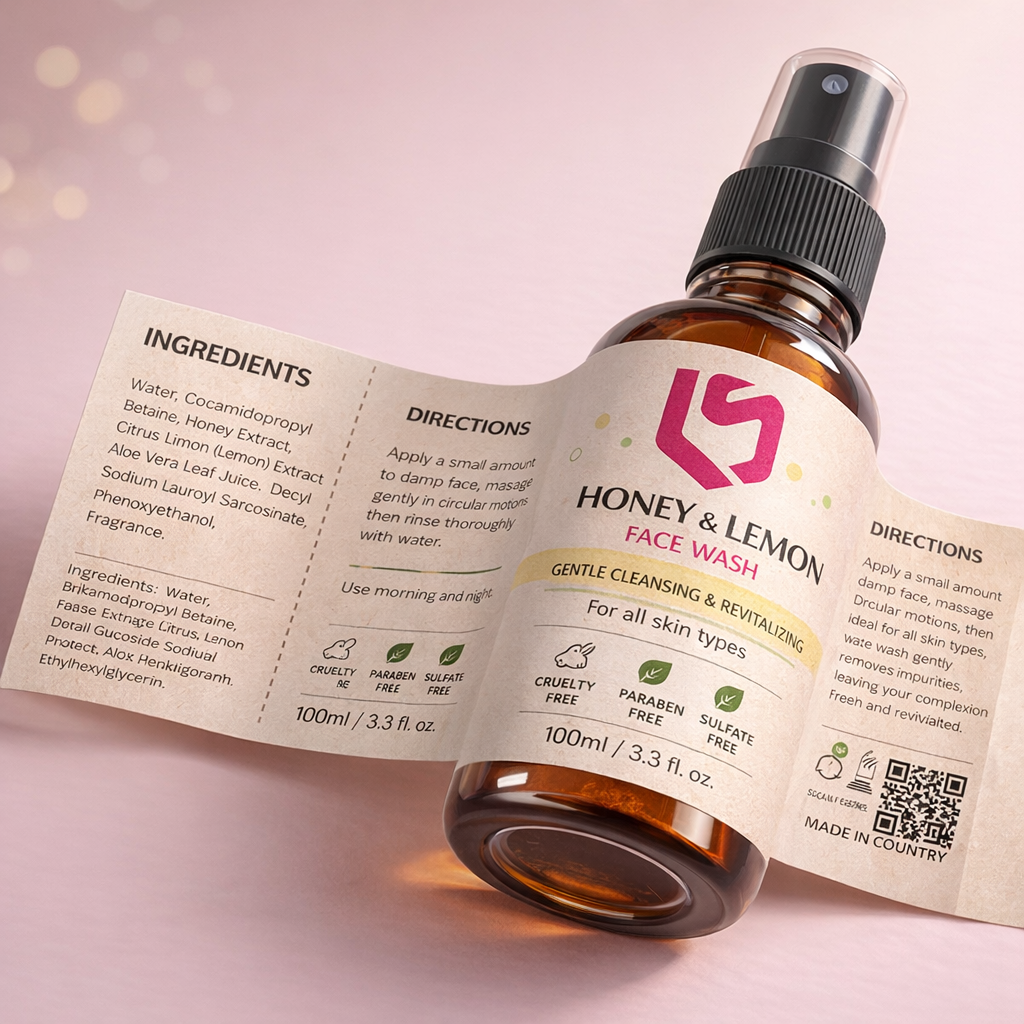
Formaldehyde releasers have been under increasing regulatory scrutiny due to their potential to release formaldehyde over time, particularly in certain cosmetic formulations. While many brands
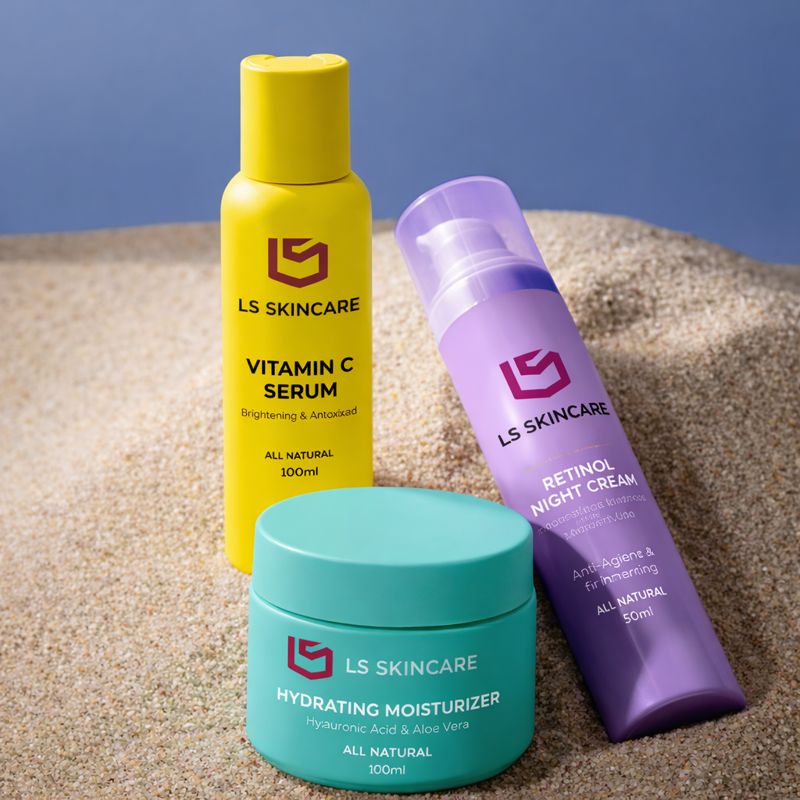
Cosmetic packaging is under constant pressure to do more with less space. Mandatory ingredient lists, allergen disclosures, batch codes, usage instructions, and safety warnings all
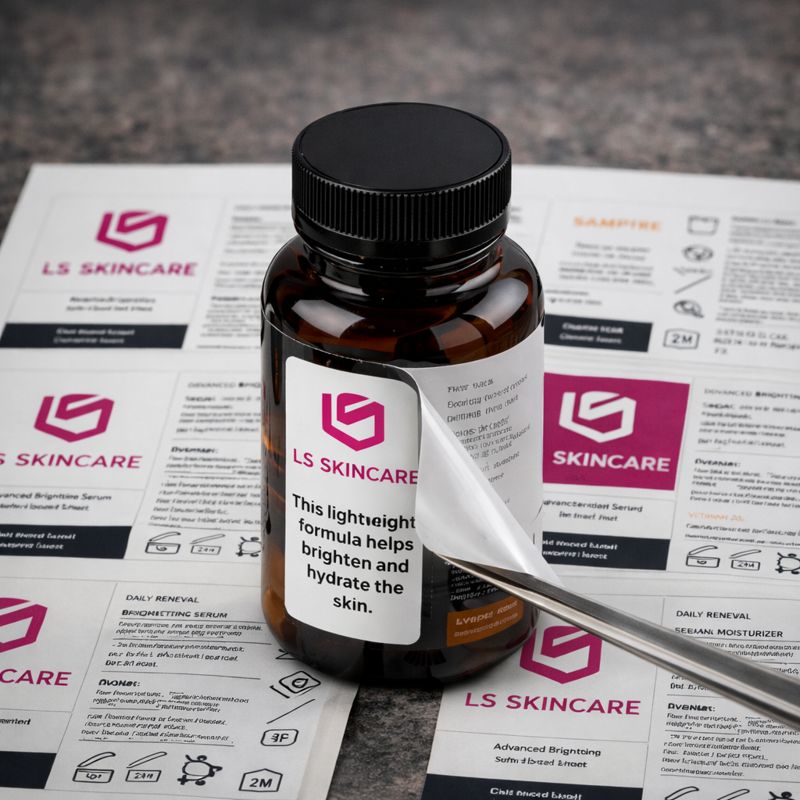
Cosmetic packaging is under constant pressure to do more with less space. Mandatory ingredient lists, allergen disclosures, batch codes, usage instructions, and safety warnings all
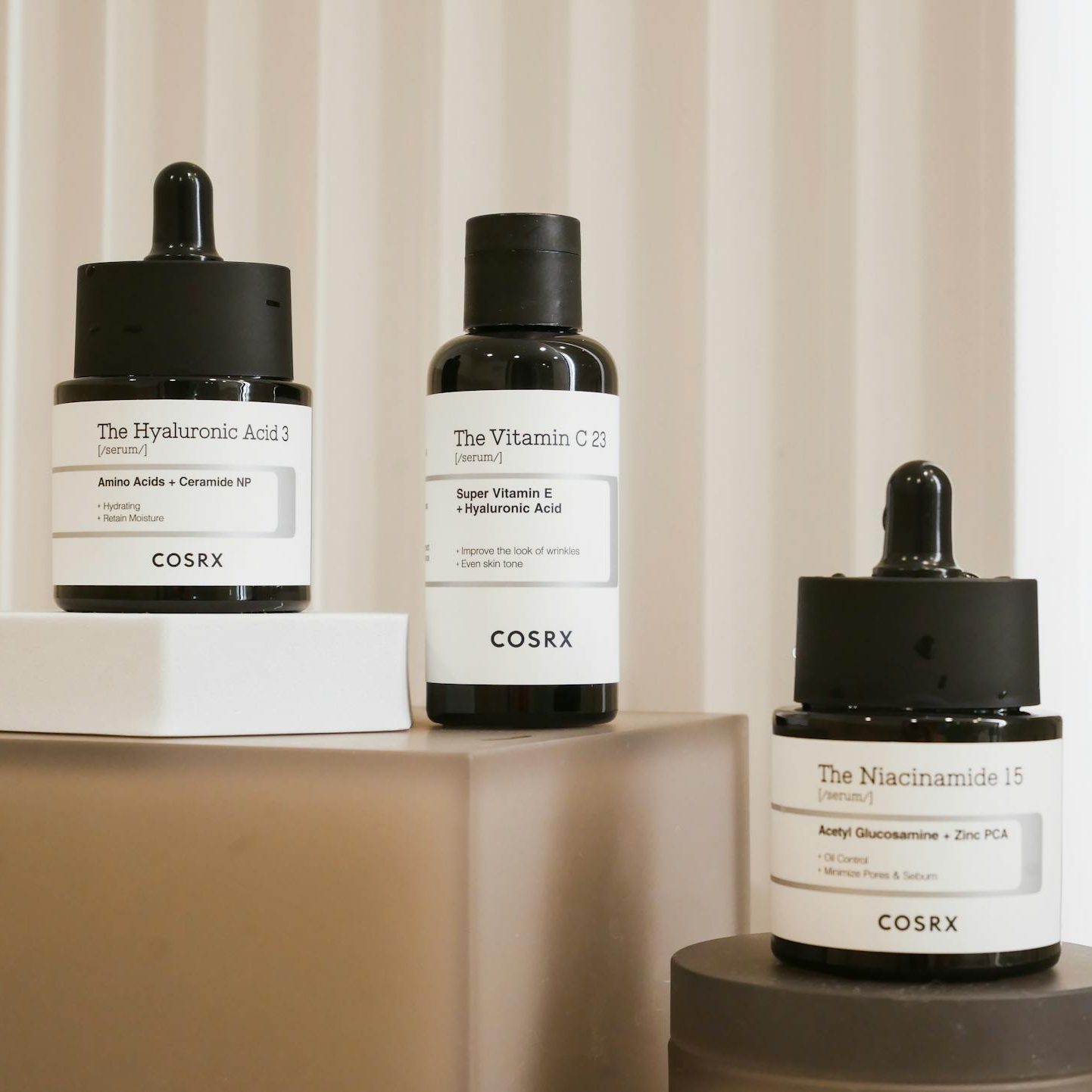
Biodegradable packaging continues to attract strong consumer interest, but the UK’s waste and regulatory bodies are increasingly warning that many of these claims do not